Game Overview
Diablo I, released in 1996 by Blizzard, pioneered action‑RPGs with its dark, gothic world. Players traverse the cursed Tristram, battling demons and uncovering lore. The guide covers character builds, loot mechanics, and boss strategies to master the game. Explore dungeons, monsters, skills now
Game Release & Historical Context
Diablo I launched on 31 October 1996 for MS Windows, later ported to Mac OS, PlayStation, and Dreamcast. Developed by Blizzard Entertainment, it was the first title in the Diablo series and set the benchmark for action‑RPGs with fast‑paced combat, loot‑driven progression, and atmospheric storytelling. The release followed the success of Warcraft II, leveraging Blizzard’s engine expertise to create a dark, gothic world that resonated with gamers worldwide. In 1998, a Classic Edition appeared on PlayStation, bringing the game to console audiences. The 2008 re‑release on GOG.com and Steam revitalized interest, offering updated graphics and compatibility with modern systems. Diablo I’s influence extended beyond its mechanics; it inspired countless successors, including Diablo II, Diablo III, and the broader action‑RPG genre. Its legacy remains evident in the design of loot tables, skill trees, and the “pick‑up‑and‑play” style that defines many modern games. This guide explores character classes, skill allocation, and combat strategies to help players master the original classic.
Diablo I’s enduring popularity led to numerous fan translations and community patches that preserve its original feel while adding modern conveniences. The game’s engine, later adapted for Diablo II, introduced procedural dungeon generation, a feature that became a staple in the genre. Players appreciate the balance between skill-based combat and loot-driven progression, which encourages replayability across multiple character builds Epic music haunting
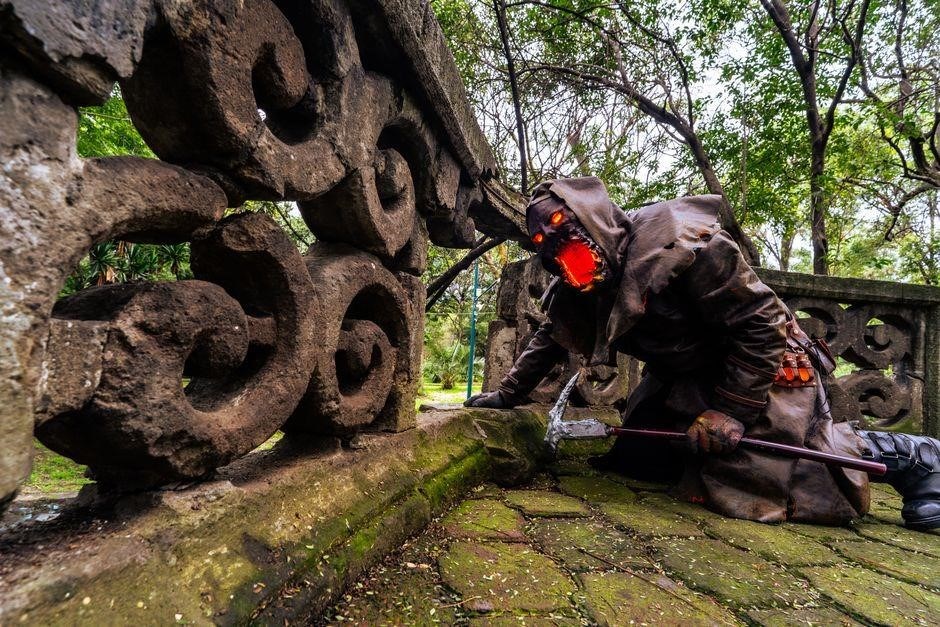
Character Classes
Diablo I offers three distinct classes: Rogue, Sorcerer, and Paladin. Each class has unique skills, strengths, and playstyles, shaping combat strategies and loot priorities. Mastering their abilities unlocks powerful combos and survivability tactics. Use skill synergy.
Rogue, Sorcerer, Paladin Class Features
Rogue: Agile melee fighter with high speed and critical hit chance. Uses daggers and bows, excels at hit‑and‑run tactics. Strength boosts attack power, Dexterity improves evasion and critical chance, Vitality increases health. Key skills: Poison Strike, Blade Fury, and the legendary “Rogue’s Curse” that weakens enemies. Rogues thrive on quick bursts of damage and crowd control, making them ideal for early dungeon runs.
Sorcerer: Master of elemental magic, specializing in fire, lightning, and ice spells. Intelligence fuels spell power; Strength adds to damage; Dexterity enhances casting speed. Signature abilities include Fireball, Lightning Bolt, and the devastating “Sorcerer’s Fury” that chains lightning across multiple foes. Sorcerers can also summon a “Fire Elemental” for additional damage. Their high damage output and area‑effect spells make them powerful against large groups, but they must manage mana carefully.
Paladin: Holy warrior with balanced offense and defense. Strength increases melee damage; Vitality boosts health; Dexterity improves armor. Paladin skills such as “Holy Shield,” “Divine Light,” and the iconic “Paladin’s Judgment” provide both protection and crowd‑control. Paladins can heal allies, grant temporary invulnerability, and summon a “Holy Knight” to fight alongside them. Their versatility allows them to adapt to many combat scenarios, making them reliable choice for both solo and group play. Play now!!!!
Leveling & Skill Distribution
In Diablo I, each level gives a skill point that unlocks combat abilities. Strength boosts melee damage, Dexterity improves evasion, and Vitality raises health. Rogues focus on Blade Fury, Sorcerers on Fireball, Paladins on Holy Shield growth for damage
Optimal Skill Point Allocation for Each Class
Rogue: Prioritize Blade Fury (level 1) and Blade Mastery (level 2) for damage, then invest in Blade Stab (level 3) and Blade Flurry (level 4). Allocate remaining points to Strength for attack power and Vitality for survivability. Sorcerer: Focus on Fireball (level 1) and Fire Mastery (level 2) for area damage, then Firebolt (level 3) and Lightning (level 4) for versatility. Allocate points to Dexterity for casting speed and Vitality for health. Paladin: Maximize Holy Shield (level 1) and Holy Power (level 2) for defense, then Holy Light (level 3) and Holy Sword (level 4) for offense. Distribute extra points into Strength for melee damage, Dexterity for evasion, and Vitality for endurance. Balance each class’s strengths with attribute points to create a well‑rounded build that adapts to early dungeon runs and late‑game boss encounters. Additionally, consider the synergy between attribute points and skill progression. For Rogues, a balanced mix of Strength and Dexterity ensures high damage output while maintaining survivability. Sorcerers benefit from investing in Dexterity to reduce casting time, allowing rapid spell rotations. Paladin should prioritize Vitality to sustain health during prolonged battles, and Strength to amplify melee damage when using the Holy Sword. Remember to adjust your build as you acquire new gear; a powerful set can shift the optimal allocation, making a previously under‑powered class viable in late stages Stay sharp
Combat Mechanics & Spellcasting
Diablo I blends real‑time action with skill strategy. Rogues swing blades, Sorcerers fire elemental blasts, Paladins wield holy power. Timing, positioning, and cooldowns control success. Master combos and resource use for high damage. and timing unlocks.!!
Effective Combos and Spell Chains
In Diablo I, mastering combos hinges on timing, resource management, and synergy between classes. Rogues excel at rapid melee bursts; a well‑timed Backstab followed by a Whirlwind can shred armored foes while keeping distance. Sorcerers rely on elemental cascades: a Fireball to ignite a target, then a Lightning Bolt to chain through enemies, exploiting the 1‑second cooldown overlap. Paladins combine Holy Bolt with Smite for a burst that drains health and restores mana, ideal for sustaining in prolonged fights. The key to effective spell chains is to stack damage over time—using Fireball to set a target ablaze, then following up with Lightning Bolt to trigger a chain reaction that spreads fire to nearby foes. Similarly, a Rogue can use Backstab to deal critical damage, then immediately cast Poison Dagger to apply a lingering bleed that synergizes with the Rogue’s Vampiric Touch for life steal. Timing the cooldowns of Vampiric Touch to coincide with the poison’s peak damage maximizes survivability. For Paladins, a combo of Smite to weaken a boss, followed by Holy Bolt to finish, exploits the boss’s low defense during the stun window. Mastering these combos requires practice, but once mastered, they provide a decisive edge in both solo and multiplayer sessions. Players should experiment with item synergies to enhance combos, ensuring gear complements spell potency and damage output. Adjust skill points to favor damage over survivability when facing high‑level bosses to turn the tide. Use map shortcuts to dodge fights and conserve health and mana quickly!
Loot & Itemization System
Diablo I’s loot system rewards exploration and combat. Items drop from monsters, chests, and bosses, with rarity tiers: common, uncommon, rare, epic, and legendary. Each tier adds random prefixes/suffixes that modify stats, offering powerful gear for tailored builds.Gear that boosts your damage!
In Diablo I, rare items are the cornerstone of progression, appearing in the highest tier of the loot hierarchy. Their rarity is determined by a combination of monster type, level, and the game’s internal drop algorithm. Generally, the drop rate for a rare item is about 1‑2 % per monster kill, but this can rise to 5‑10 % against elite or boss enemies. The game’s pseudo‑random number generator assigns a rarity value to each potential drop, and only items that meet or exceed a threshold are considered rare. Players often rely on the “golden” drop indicator—a bright, shimmering icon that signals a high‑quality loot chance to gauge when a rare is imminent. Additionally, the “drop table” for each zone contains weighted probabilities; for example, the Catacombs have a higher chance for rare weapons, while the Dungeon of the Damned favors rare armor. Understanding these nuances allows players to strategically target areas and enemies that maximize their chances of obtaining powerful gear, thereby accelerating character development and unlocking advanced builds. Rare items often contain unique affixes that can drastically alter combat dynamics, making them highly sought after by players seeking specialization. Drop tables are influenced by the difficulty setting; higher difficulty levels increase the probability of rare drops, encouraging players to replay zones. Players can also use the in-game “Item Rarity” indicator, a subtle glow around the item’s icon, to quickly identify potential rare loot!

Monsters & Boss Encounters
Diablo I’s monsters range from low‑level goblins to the dread Diablo. Bosses like the Skeleton King and Diablo himself demand positioning, exploiting elemental weaknesses, and spell casts. Mastering each encounter unlocks powerful rewards and advances the story!!!!
Boss Weaknesses and Tactics
In Diablo I, each boss presents a unique set of vulnerabilities that savvy players can exploit. The Skeleton King, for instance, is highly susceptible to fire‑based attacks; a well‑timed fireball or a flaming sword swing can break his icy armor and reduce his damage output. He also has a predictable charge that can be dodged or countered with a quick melee strike, turning his aggression into a weakness. The demon prince Azmodan thrives on chaos magic, so using a combination of lightning and poison spells will sap his health faster than a single damage type. His teleportation ability can be baited by positioning yourself on the far side of the arena, forcing him to cross the room and creating a window for a burst of damage. The demon lord Mephisto is immune to fire but weak to lightning; a well‑placed chain lightning can chain through his minions and hit him directly. He also has a slow‑moving but powerful melee attack; maintaining distance and using area‑of‑effect spells can keep him at bay. The boss in the final act, Diablo, also has a unique mechanic: his “Hellfire” aura drains health over time. Players should keep a buffer of health potions and use a shield to mitigate damage while focusing on high‑damage spells. In all encounters, positioning is critical: staying on the edges of the arena, using cover, and timing attacks to coincide with boss cooldowns can turn the tide. Mastering these weaknesses tactics up maximizes loot challenge. and gear now

Maps, Quests, and Story Progression
Diablo I’s world is divided into three acts, each with distinct maps: the cursed town of Tristram, the eerie Catacombs, and the fiery Pandemonium. Quests guide players through these areas, revealing lore. Progression hinges on defeating bosses, collecting relics, and advancing the narrative and secrets
Quest Objectives and Key Locations
In Diablo I, the story unfolds through a series of quests that drive the player from the ruined town of Tristram to the fiery depths of Pandemonium. Each act presents a set of objectives: retrieve the Black Soulstone, rescue the captive townsfolk, and ultimately confront Diablo. Key locations include the Tristram Cathedral where the first boss, Diablo’s minion, awaits; the Catacombs, a labyrinth of undead that houses the second act’s boss, Mephisto; and the Pandemonium Fortress, the final arena where Diablo himself is sealed. Along the way, players must navigate the Witch’s Hut, the Abandoned Mine, and the Dark Tower, each offering unique enemies and loot. Completing quests unlocks new areas, rewards, and narrative revelations, guiding the player toward the ultimate showdown. Players also encounter the hidden Secret Library in the Catacombs, which contains rare scrolls that boost spell power. In Pandemonium, the Infernal Gate must be opened by destroying the surrounding pillars, revealing the final boss chamber. Each location offers distinct environmental hazards—pools in Pandemonium, collapsing ceilings in the Catacombs, and relics Tristram—that require skills

Strategic Tips & Optimal Builds
Start with a balanced build: invest in Strength for melee, Dexterity for defense, and Vitality for health. Use the “Holy Shield” spell to mitigate damage, then switch to “Fireball” for area control. Prioritize the “Berserker” skill for burst damage, and keep health potions for boss Stay ready!!!.
Recommended Builds for New Players
For newcomers, a straightforward build maximizes survivability and damage. Start with a Rogue: allocate 15 points to Strength, 10 to Dexterity, 5 to Vitality. Equip a light‑shielded sword and a short‑blade. Use the “Berserker” skill for a burst of melee damage, followed by “Holy Shield” to absorb incoming attacks; Keep a stack of health potions and a “Fireball” spell for ranged threats.
Remember to keep your health above 50% before engaging bosses. Us potions wisely heal
Alternatively, a Paladin build focuses on defense and holy power. Invest 12 Strength, 8 Dexterity, 12 Vitality. Equip a shield and a two‑handed sword. “Holy Shield” and “Berserker” are the core skills; “Lightning” can be added for crowd control. The Paladin’s higher health pool allows you to stand in the front line and soak damage.
For those who prefer magic, a Sorcerer build is ideal. Allocate 10 Strength, 10 Dexterity, 10 Vitality. Use a staff and a light shield. “Fireball” and “Lightning” are primary damage spells; “Holy Shield” provides a defensive buffer. Keep mana potions handy and upgrade your spell‑casting gear for maximum range.
Regardless of class, always upgrade armor, keep your weapon sharp, and use the “Cursed Armor” enchant to reduce enemy damage. Focus on leveling up the main skill first, then spread points to secondary skills. This balanced approach ensures you can handle early bosses, clear dungeons, and survive the final showdown with Diablo.