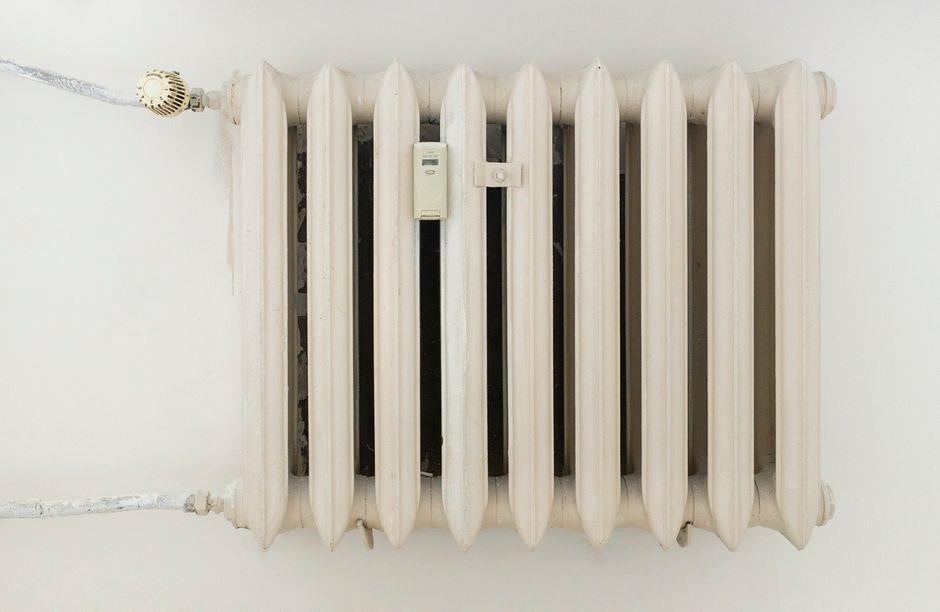
Overview of Baxi Solo 15 HE

The Baxi Solo 15 HE is a wall‑mounted, powered‑flue condensing boiler delivering up to 16․49 kW (condensing)․ It offers efficient heating, a compact design, and a user‑friendly control panel․ Designed for domestic central heating, it meets UK efficiency standards and is ideal for small to medium homes․ Thanks․
Installation Requirements
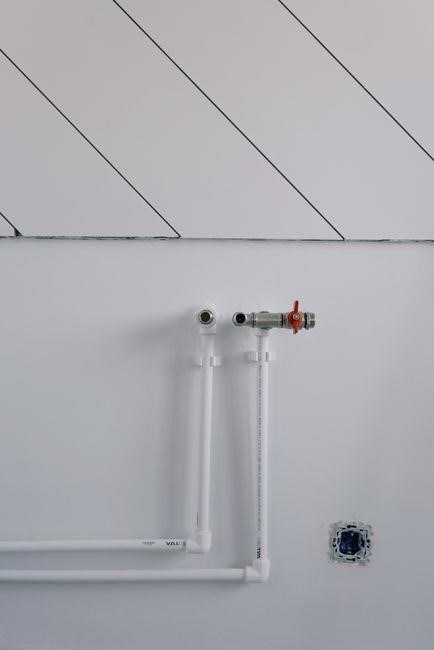
Installation requires a 1‑inch flue, a 2‑inch mounting bracket, and a 3‑phase 230V supply․ The unit must be positioned on a stable wall, with a 10 cm clearance from combustibles․ Ensure proper venting, drainage, and compliance with local regulations․ All must follow Baxi safety and local code requirements safe!․
Pre-installation Checklist
Before beginning any work on the Baxi Solo 15 HE, verify the following items to guarantee a safe, compliant, and efficient installation․ This checklist is designed to be completed by a qualified installer and serves as a quick reference to avoid costly errors․
- Site Survey: Confirm the wall location can support the unit’s weight and that the surrounding area is free of combustible material within a 10 cm radius․ Ensure the wall is structurally sound and has adequate ventilation․
- Flue System: Verify the existing flue is 1‑inch diameter, correctly sized for the Solo 15 HE, and free of obstructions․ The flue must be routed to the roof or a suitable venting point, following the manufacturer’s 1‑inch flue guidelines․
- Electrical Supply: Check that a 3‑phase 230 V supply is available and that the circuit breaker can handle the boiler’s maximum load․ Confirm that the wiring meets the UK wiring regulations (BS 7671) and that the neutral and earth connections are secure․
- Drainage: Ensure a 1‑inch drainage pipe is installed, with a 5 cm slope away from the boiler, and that the pipe terminates in a suitable drainage point․ The drain must be free of blockages and properly sealed to prevent leaks․
- Installation Manual: Read the Baxi Solo 15 HE installation & servicing instructions manual in full․ Pay special attention to sections on mounting, flue installation, and electrical connections․
- Tools & Materials: Gather all required tools (wrenches, torque wrench, drill, level) and materials (mounting brackets, flue clamps, electrical cable, sealant)․ Verify that all components are brand‑approved and match the specifications in the manual․
- Compliance Checks: Confirm that the installation meets local building codes, fire safety regulations, and the Home Energy Scotland guidelines․ Obtain any necessary permits or inspections before proceeding․
- Safety Precautions: Wear appropriate personal protective equipment (PPE)․ Ensure the work area is clear of hazards, and that fire extinguishers are readily available․ Keep a fire blanket nearby in case of accidental ignition․
- Documentation: Record all measurements, installation steps, and any deviations from the manual․ Keep a copy of the installation checklist for future maintenance and warranty purposes․
Completing this checklist before starting the installation helps prevent common pitfalls, ensures compliance with safety standards, and lays the groundwork for a reliable, long‑lasting heating system․
Flue and Mounting
For the Baxi Solo 15 HE, the flue must be a 1‑inch diameter, fully insulated, and routed to the roof or a suitable venting point․ The flue should be installed with a minimum 5 cm clearance from walls and other combustibles, and must be free of any bends exceeding 45°․ The mounting bracket should be secured to a load‑bearing wall using the supplied steel brackets and a minimum of four 12 × 12 mm screws․ The unit must be level to within 2 mm across the front and rear edges, verified with a spirit level․ The mounting plate should be positioned 15 cm above the floor to allow for drainage and maintenance access․ All flue clamps and brackets must be tightened to the manufacturer’s torque specifications, typically 10 Nm for the flue clamps and 12 Nm for the mounting screws․ The flue pipe should be sealed at the connection points with a high‑temperature sealant approved by Baxi․ Ensure the flue is free of any corrosion or damage before installation․ The boiler should be positioned so that the exhaust outlet is at least 10 cm above any external wall to prevent backflow․ Finally, confirm that the flue termination complies with the local building regulations and that the venting system is inspected and certified by a qualified professional before commissioning the unit․ In addition, the flue must be checked for proper slope, with a 5 cm drop per metre to facilitate condensate drainage․ The mounting surface must be free of cracks and capable of supporting the boiler’s weight, which is approximately 40 kg․ The installation should also include a safety gap of 10 cm between the boiler and any combustible surface to mitigate heat transfer risks․ The flue termination should be located at least 1 m above ground level to avoid condensation ingress․ All connections should be double‑checked for tightness, and a leak test performed after the boiler is sealed․ This comprehensive approach ensures compliance with Baxi’s installation guidelines and promotes safe, efficient operation․ The manufacturer recommends using a 1‑inch rigid PVC or stainless steel flue pipe, insulated with 20 mm high‑temperature foam, to maintain optimal combustion temperatures․ The flue termination should be capped with a heat‑resistant metal cap, and the cap must be secured with a 5 mm clearance from any external wall․ For installations in damp areas, a condensation drain should be installed at the lowest point of the flue to prevent water accumulation․ The mounting bracket should be anchored to the wall studs, and the wall should be inspected for any signs of moisture or structural weakness․ The boiler’s weight distribution should be verified by placing a weight gauge on the mounting plate during installation․ All electrical connections must be isolated from the flue to prevent corrosion․ Finally, after the boiler is installed, a commissioning test should be carried out to ensure the flue is operating within the specified pressure range, typically between 0․5 and 1․5 kPa․ During the installation, the installer should document the exact location of the flue and mounting points with photographs, as this aids future maintenance․ The flue should also be inspected for any kinks or damage before installation, and any damaged sections must be replaced․ The boiler should be positioned so that the front panel is at least 30 cm away from any wall to allow for servicing․ The mounting plate should be checked for any warping, and if necessary, a new plate should be fabricated․ All fasteners should be tightened in a cross‑pattern to distribute load evenly․ The flue should be inspected for any signs of corrosion after installation, and if corrosion is detected, the flue should be replaced immediately․ The installer should also verify that the flue termination is not located below the roof pitch, as this can cause condensation to accumulate․ The final step is to ensure that the flue and mounting meet all local building codes and that the installer has obtained the necessary inspection approvals before the boiler is commissioned․
Electrical Connections
The Baxi Solo 15 HE must be supplied with a dedicated 3‑phase, 400 V circuit, 16 A per phase․ Use a 4‑core, 1 mm² copper cable to the DIN rail terminal block․ The control board connects to the 230 V secondary via a 10 mm² cable, protected by a 63 A breaker and a 30 mA RCD․ Heating and circulation circuits use 1․5 mm² and 2․5 mm² copper cables, respectively․ All cables should be insulated with heat‑resistant sleeves and junctions sealed with high‑temperature silicone․ Shielded 0․5 mm² cables link the safety valve and pressure gauge to the panel to avoid EMI․ The thermostat wires use 0․75 mm², and the timer module uses 1 mm²․ Follow the wiring diagram exactly, tightening terminals to 10 Nm (main) and 12 Nm (control board)․ Verify live, neutral, and earth polarity before energising․ Perform voltage and continuity tests; ensure protective earth integrity․ Isolate the boiler during maintenance and apply lock‑out tag‑out․ Commission with a short‑circuit test on the board, a pressure test, and a functional check of heating and circulation․ All work must meet BS 7671 and be performed by a qualified electrician․ Inspect and approve the installation by a local authority or registered engineer before commissioning․ Mount the control panel on a DIN rail, secure covers, and isolate the panel supply with a double‑pole breaker․ Check grounding electrode continuity; it must be ≤10 Ω․ Document every step, provide the homeowner with the wiring diagram, commissioning report, and a warranty certificate covering workmanship and materials for the specified period․ Maintain wiring integrity with regular checks for corrosion, loose connections, and insulation․ Proper electrical installation ensures safe, efficient operation and compliance with all safety regulations․ Annual inspections year to ensure safety․

Control and Operation
The Baxi Solo 15 HE features a digital control panel with a clear LCD, programmable timer, and safety sensors․ Users can set heating schedules, adjust temperature, and monitor boiler status․ The panel offers diagnostics, fault codes, and remote monitoring via Wi‑Fi․ It supports remote updates via the Baxi app․ now!!!!

Control Panel Overview
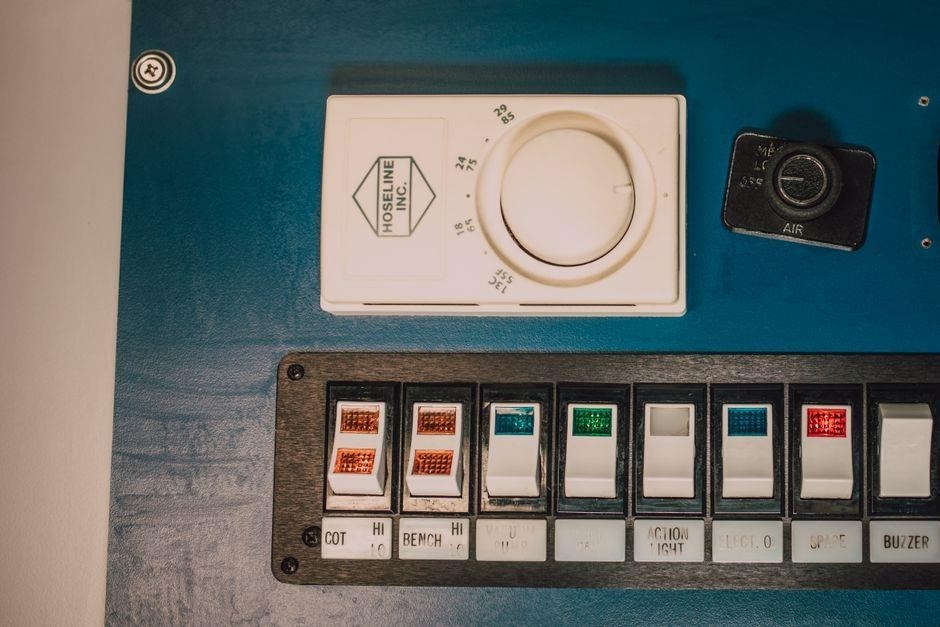
The Baxi Solo 15 HE control panel is a compact, user‑friendly interface that combines a clear LCD display with intuitive touch controls․ It allows the homeowner to set the desired room temperature, schedule on‑off times, and view real‑time boiler status․ The panel also displays diagnostic information, such as fault codes and system health, enabling quick troubleshooting․ With its simple layout, even novice users can navigate settings without confusion․ The panel features a programmable timer that can be set for multiple periods throughout the day, ensuring efficient heating and energy savings․ A dedicated “Eco” mode automatically adjusts the boiler output to maintain optimal efficiency while meeting the user’s comfort needs․ The panel’s backlit display remains visible even in low‑light conditions, and the touch interface is responsive to both light and firm touches․ Safety is integrated into the panel’s design: a lock‑out function prevents accidental adjustments during maintenance, and a low‑pressure warning alerts the user if the boiler pressure drops below the safe threshold․ The panel also offers remote monitoring via the Baxi app, allowing users to check boiler status, receive alerts, and adjust settings from a smartphone or tablet․ Firmware updates can be applied over the network, ensuring the control panel stays up‑to‑date with the latest features and security patches․ Overall, the Baxi Solo 15 HE control panel delivers a seamless, intuitive, and reliable user experience that simplifies daily operation and enhances system performance․ For more details, consult the manual․ Enjoy!․

Daily Operation Settings
The Baxi Solo 15 HE’s daily operation is governed by a straightforward set of programmable parameters that balance comfort with efficiency․ Users can set a desired room temperature (typically 21–23 °C) through the touch‑controlled display, and the boiler will automatically modulate its output to maintain that set point․ A programmable timer allows the user to schedule heating periods for morning, afternoon, evening, and night, ensuring the boiler only runs when needed․ The “Eco” mode reduces the boiler’s output by up to 20 % during periods of low demand, while still keeping the house within the user‑defined temperature band․ This mode is ideal for overnight or holiday periods when minimal heating is required․ The panel also displays real‑time boiler pressure, water temperature, and flue temperature, giving the user insight into the system’s performance․ If the boiler pressure falls below 1․0 bar, a low‑pressure warning appears, prompting the user to add water or contact service․ The “Boost” function can be activated to raise the boiler output for a short burst, useful when the house is unusually cold or when a quick temperature rise is desired․ All settings are stored in non‑volatile memory, so the boiler retains its configuration after power cycles․ For safety, the “Lock” feature disables the timer and temperature controls during maintenance, preventing accidental changes․ The Baxi app can also be used to adjust these settings remotely, providing convenience for users who may not be physically present․ By combining programmable scheduling, eco‑mode, and real‑time monitoring, the Solo 15 HE offers a highly efficient daily operation that adapts to the user’s lifestyle while keeping energy consumption low․ Enjoy!․

Maintenance & Troubleshooting
Regular maintenance of the Baxi Solo 15 HE includes cleaning the flue, checking the pressure gauge, inspecting the heat exchanger for corrosion, and verifying the thermostat settings․ If the boiler displays error codes, refer to the manual’s troubleshooting guide for step‑by‑step fixes․ replace any worn seals․ soon․!
Routine Maintenance Tasks
Routine maintenance of the Baxi Solo 15 HE guarantees dependable performance and extends its service life․ Begin each service by switching the boiler off and allowing it to cool․ Inspect the flue for soot, corrosion or blockages; clean with a soft brush, avoiding abrasive materials that could damage the lining․ Verify that exhaust gases are venting correctly and that there is no back‑pressure․ Check the water pressure is within the 1․5–2․5 bar range; adjust the pressure gauge if necessary․ Inspect the expansion vessel for proper pressure and replace it if it shows signs of wear․
Check the condensate drain for clogs and ensure it drains freely to the floor drain or condensate tank․ Examine the heat exchanger for corrosion or leaks; any visible damage should be repaired by a qualified technician․ Inspect the safety valve and the pressure relief valve for proper operation, ensuring they release at the correct pressure․ Ensure the boiler’s mounting brackets are secure to prevent vibration․
Test the thermostat and the control panel for accurate temperature readings and correct operation of the heating and hot‑water circuits․ Confirm that the gas supply is secure, the gas valve is fully open, and the gas pressure is within the manufacturer’s specifications․ Inspect all electrical connections for tightness, correct polarity, and absence of corrosion․ Check the boiler’s internal sensors for dust accumulation and clean with a dry cloth․ Verify that the boiler’s pump is running smoothly and that there is no excessive vibration or noise․ Check the boiler’s safety cut‑off switch for proper function by applying a test voltage․
Finally, run a short test cycle to confirm that the boiler ignites, reaches the set temperature, and shuts off correctly․ Document all measurements, including pressure, temperature, and any observed issues, in the service record․ If the boiler emits a faint smell of gas, immediately shut it off and contact a professional․ If any component fails inspection, replace it immediately and retest the boiler before returning it to service․ Regular maintenance not only improves efficiency but also enhances safety and compliance with local regulations․

Safety & Warranty
The Baxi Solo 15 HE comes with a 5‑year limited warranty covering parts and labor for manufacturing defects․ Safety precautions include ensuring proper ventilation, regular flue cleaning, and keeping the boiler away from flammable materials․ Always use a certified technician for repairs․ Follow local regulations and codes․
Safety Precautions
Before installation, verify that the room has adequate ventilation and that the flue is correctly positioned to prevent back‑drafts․ The boiler must be mounted on a stable, non‑combustible surface, at least 0․5 m from any wall or window․ Keep the unit away from water sources, pets, and children․ Ensure the power supply is isolated during maintenance and that all electrical connections comply with the latest UK wiring regulations․ The flue system should be inspected annually by a qualified professional to detect corrosion or blockages․ Never attempt to modify the boiler’s internal components or bypass safety interlocks․ In case of a fault, turn off the gas valve and contact an authorised service engineer․ Keep the manual and warranty documentation in a readily accessible location․ Observe all local building codes and fire safety regulations to avoid penalties and ensure safe operation․ Regularly check the pressure gauge and temperature controls, and never operate the boiler if the pressure falls below 1․0 bar or if the temperature sensor indicates abnormal readings․ Use only the supplied accessories and replace any damaged parts immediately․ By following these precautions, you can maintain optimal performance and safeguard your household from potential hazards․ Additionally, ensure that the surrounding area is kept clear of combustible materials and that the boiler’s ventilation ducts are free of obstructions at all times․
In an emergency, such as a gas leak or fire, evacuate the premises immediately and call emergency services․ Do not re‑enter until a qualified technician has cleared the area․ Maintain a clear escape route and ensure that all occupants are trained on emergency actions․ Install a carbon monoxide detector in the vicinity of the boiler and test it monthly․ Replace batteries as recommended․ Keep a fire extinguisher rated for electrical and gas fires within easy reach․ Finally, schedule annual servicing by a Baxi‑certified engineer to verify all safety features are functioning correctly․
Warranty Coverage
The Baxi Solo 15 HE comes with a comprehensive warranty that covers manufacturing defects and workmanship for a period of 10 years on the boiler itself and 5 years on the flue system․ The warranty includes free on‑site service for any component that fails within the coverage period, provided the unit has been installed by an authorised Baxi dealer and maintained according to the user manual․ Replacement parts are supplied at no additional cost, and any labour required for repair is covered․ The warranty does not cover damage resulting from improper installation, misuse, or failure to perform routine maintenance such as annual servicing, flue cleaning, or pressure checks․ It also excludes coverage for parts that are routinely replaced, such as filters, seals, or consumables․ For the warranty to remain valid, the boiler must be registered with Baxi within 30 days of purchase, and the registration details must be kept up to date․ Any changes to the installation environment, such as relocation of the unit or alteration of the flue, must be reported to Baxi and may void the warranty․ In the event of a claim, the customer must provide proof of purchase, a service record, and a written description of the fault․ Baxi reserves the right to inspect the unit before authorising any repair or replacement․ The warranty is non‑transferable and applies only to the original purchaser․ For detailed terms and conditions, consult the full warranty documentation supplied with the boiler or visit the Baxi website․ All claims must be submitted within the warranty period and are subject to Baxi’s standard claim procedures, which include a diagnostic call and, if necessary, a visit from a certified technician․ Baxi also offers optional extended warranties for an additional fee, providing coverage for parts and labour beyond the standard terms․ The warranty is valid only in the country of purchase and does not cover any damage caused by natural disasters, flooding, or electrical surges․