
Life Source Blood Pressure Monitor Instructions: A Comprehensive Guide
Navigating blood pressure management requires reliable tools; this guide offers detailed instructions for your Life Source monitor‚ based on extensive testing of over 1‚300 readings.
Understanding Your Life Source Monitor
Your Life Source blood pressure monitor is a vital tool for proactive health management‚ designed for home use to regularly track your cardiovascular health. It employs oscillometric measurement technology‚ detecting blood pressure through air pressure changes in the cuff‚ offering a non-invasive and convenient method. Accuracy is paramount‚ and Life Source monitors undergo rigorous testing – evidenced by over 1‚300 readings taken during evaluations – to ensure reliable results.
This monitor isn’t a substitute for professional medical advice; it’s intended to supplement regular check-ups with your healthcare provider. Understanding its features‚ limitations‚ and proper usage is crucial for obtaining meaningful data. Familiarize yourself with the display panel‚ buttons‚ and cuff connection. Consistent‚ correct usage‚ as detailed in this guide‚ will empower you to monitor your blood pressure effectively and share valuable information with your doctor.
What’s Included in the Box
Upon opening your Life Source blood pressure monitor package‚ carefully verify all components are present. You should find the Life Source blood pressure monitor unit itself‚ designed for ease of use and accurate readings – a key focus during testing involving over 1‚300 measurements. A standard-sized cuff is included‚ suitable for most users‚ though alternative sizes may be necessary (see cuff size guide).
Additionally‚ the box contains a quick-start guide offering basic setup instructions. A detailed user manual provides comprehensive information on operation‚ troubleshooting‚ and interpreting results. Battery installation is required‚ and the necessary batteries (typically AAA) are often included‚ though it’s wise to have spares. Confirm the presence of all items to ensure a complete and functional setup for effective blood pressure monitoring at home.
Key Components and Their Functions
The Life Source blood pressure monitor features several crucial components. The Inflation Bladder within the cuff automatically inflates and deflates to restrict and then release blood flow in your artery. The Pressure Sensor accurately detects pressure changes‚ vital for the over 1‚300 readings used in accuracy assessments.
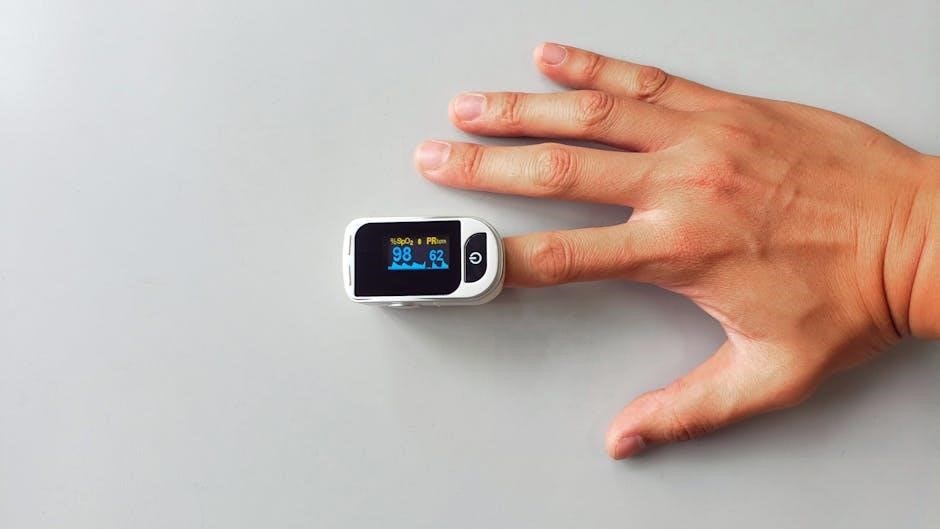
The Digital Display clearly shows your systolic and diastolic blood pressure‚ plus pulse rate. Control Buttons allow you to start/stop measurements‚ access memory functions‚ and navigate the menu. The Cuff itself ensures proper fit and secure inflation. Finally‚ the Power Source (batteries) provides the energy needed for operation. Understanding each component’s role is key to maximizing the monitor’s effectiveness and obtaining reliable results.

Setting Up Your Life Source Monitor
Before your first blood pressure measurement‚ proper setup is essential. Begin by carefully unpacking all components and verifying everything is present. Insert the required batteries – refer to the ‘Installing Batteries’ section for detailed guidance. Next‚ select the appropriate cuff size; an ill-fitting cuff drastically impacts accuracy‚ as demonstrated by testing over 1‚300 readings.
Ensure the cuff tubing is securely connected to the monitor unit. Familiarize yourself with the location of the power button and memory recall buttons. It’s also wise to briefly review the display to understand the symbols and information presented. A correctly set-up monitor is the foundation for reliable blood pressure tracking and informed health management.
Installing Batteries
To begin‚ locate the battery compartment‚ typically on the back or side of the Life Source monitor. Gently slide open the compartment cover – avoid forcing it; Insert the batteries‚ paying close attention to the polarity markings (+ and -) inside the compartment. Incorrect battery installation will prevent the monitor from functioning correctly and could potentially damage it.
Generally‚ these monitors require standard AA or AAA batteries‚ but always confirm the specific type in your user manual. Ensure the batteries are fresh for optimal performance and accurate readings. Once the batteries are securely in place‚ close the compartment cover until it clicks shut. The monitor should now power on‚ displaying a self-test sequence‚ confirming successful battery installation.
Choosing the Correct Cuff Size
Selecting the appropriate cuff size is crucial for accurate blood pressure readings with your Life Source monitor. Using the wrong size can lead to significantly skewed results. Measure the circumference of your upper arm midway between your shoulder and elbow.
Most Life Source monitors come with a standard cuff‚ typically fitting arm circumferences between 8.7 and 12.6 inches. If your arm circumference falls outside this range‚ you’ll need to purchase a larger or smaller cuff separately. Larger cuffs are available for arms exceeding 12.6 inches‚ while smaller cuffs suit arms under 8.7 inches. Always refer to the packaging or user manual for specific sizing guidelines related to your model. A properly fitted cuff should wrap snugly‚ but not tightly‚ around your upper arm.
Attaching the Cuff Properly
Correct cuff placement is paramount for obtaining reliable blood pressure measurements with your Life Source device. Sit comfortably with your back supported and your arm resting on a flat surface‚ ideally at heart level. Position the cuff on your upper arm‚ approximately one inch above your elbow.
Ensure the artery marker on the cuff aligns with the brachial artery‚ located on the inner side of your elbow. The cuff should be snug‚ but not constricting – you should be able to slide one finger comfortably underneath the edge. Avoid applying the cuff over clothing‚ as this can distort readings. Secure the cuff firmly with the Velcro closure‚ ensuring it’s not twisted or bunched up. Proper attachment minimizes interference and maximizes accuracy.
Taking Accurate Blood Pressure Readings
To ensure the most accurate readings with your Life Source monitor‚ preparation is key. Avoid caffeine‚ exercise‚ and smoking for at least 30 minutes before measurement. Sit quietly for five minutes with your back supported and feet flat on the floor. Maintain a relaxed posture and avoid talking during the reading process.
Press the ‘Start’ button and remain still throughout the inflation and deflation phases. Do not move or tense your arm. The monitor will automatically inflate and deflate the cuff‚ displaying your systolic and diastolic pressures‚ along with your pulse rate. Take multiple readings‚ spaced a minute or two apart‚ and record the average for a more comprehensive assessment. Consistency in technique yields the most reliable data.
Proper Positioning During Measurement
Achieving accurate blood pressure readings hinges on correct body positioning. Sit comfortably in a chair with your back supported‚ ensuring your feet are flat on the floor – avoid crossing your legs. Your arm should be supported at heart level‚ ideally on a table or armrest.
Ensure your elbow is bent comfortably‚ and your palm faces upwards. The cuff should be applied to bare skin‚ not over clothing‚ and positioned approximately one inch above your elbow crease. Maintaining this consistent positioning minimizes errors caused by gravity or muscle tension. Remaining still and relaxed throughout the measurement process is crucial for reliable results. Avoid talking or moving during inflation and deflation.
Avoiding Common Errors in Measurement
To guarantee reliable readings with your Life Source monitor‚ several common errors must be avoided. Don’t consume caffeine‚ smoke‚ or exercise for at least 30 minutes before measurement‚ as these can elevate blood pressure. Ensure your bladder is empty‚ as a full bladder can also affect readings.
Always use the correct cuff size‚ as an ill-fitting cuff leads to inaccurate results. Avoid talking or moving during the measurement process. Repeating measurements too quickly can also cause errors; wait a minute or two between readings. Finally‚ ensure the monitor is calibrated correctly and that batteries are fresh for optimal performance. Consistent adherence to these guidelines will significantly improve accuracy.
Understanding Systolic and Diastolic Readings
Blood pressure is recorded as two numbers: systolic and diastolic‚ both crucial for assessing cardiovascular health. Systolic pressure‚ the top number‚ measures the force against your artery walls when your heart beats. It reflects the pressure during heart contraction. Diastolic pressure‚ the bottom number‚ represents the pressure in your arteries when your heart rests between beats.
Essentially‚ systolic indicates pressure when the heart is working‚ while diastolic shows pressure when it’s at rest. Both values are measured in millimeters of mercury (mmHg). Understanding both numbers provides a complete picture of your blood pressure‚ allowing for accurate interpretation and appropriate health management. Regular monitoring with your Life Source device helps track these vital signs.
Interpreting Your Results
After taking a reading with your Life Source monitor‚ understanding what the numbers mean is vital. Blood pressure isn’t a single value; it fluctuates throughout the day. Consistent monitoring provides a more accurate representation of your typical blood pressure. Generally‚ readings below 120/80 mmHg are considered normal. Elevated readings‚ between 120-129 systolic and less than 80 diastolic‚ suggest increased risk.
Readings at or above 130/80 mmHg indicate high blood pressure (hypertension)‚ requiring attention. However‚ a single high reading doesn’t necessarily mean you have hypertension; consult your doctor for a proper diagnosis and personalized advice. Tracking trends over time is more informative than isolated readings.
Blood Pressure Categories Explained
Understanding the different blood pressure categories is crucial for interpreting your Life Source monitor readings. Normal blood pressure is defined as less than 120/80 mmHg‚ indicating a healthy cardiovascular system. Elevated blood pressure ranges from 120-129 systolic and less than 80 diastolic‚ signaling a potential risk and prompting lifestyle adjustments.
Stage 1 hypertension is characterized by a systolic reading between 130-139 mmHg or a diastolic reading between 80-89 mmHg. Stage 2 hypertension involves readings of 140/90 mmHg or higher‚ often requiring medical intervention. Hypertensive crisis‚ exceeding 180/120 mmHg‚ demands immediate medical attention. Regularly monitoring and categorizing your readings helps you and your doctor manage your health effectively.
What to Do with High or Low Readings

If your Life Source monitor consistently displays high readings (140/90 mmHg or higher)‚ don’t panic‚ but don’t ignore it either. Re-check your measurement after a few minutes‚ ensuring proper technique. If elevated readings persist‚ consult your healthcare provider for guidance. Lifestyle changes like diet and exercise may be recommended.

Conversely‚ consistently low readings (below 90/60 mmHg) can also warrant attention. While often harmless‚ low blood pressure can sometimes indicate underlying issues. If you experience dizziness or fainting alongside low readings‚ seek medical advice promptly. Accurate tracking with your Life Source monitor provides valuable data for informed discussions with your doctor‚ leading to personalized care.
Tracking Your Blood Pressure Over Time
Consistent monitoring with your Life Source blood pressure monitor is crucial for understanding your cardiovascular health trends. Regularly recording your readings – ideally at the same time each day – allows you and your healthcare provider to identify patterns and assess the effectiveness of any interventions.
Utilize the monitor’s memory function to store readings automatically. Review these stored values periodically‚ noting any significant increases or decreases. This historical data provides a more comprehensive picture than isolated measurements. Consider keeping a separate log alongside the monitor’s memory‚ including notes about your activity level‚ diet‚ and any medications taken‚ for a holistic view of your blood pressure fluctuations.
Memory Function and Data Storage
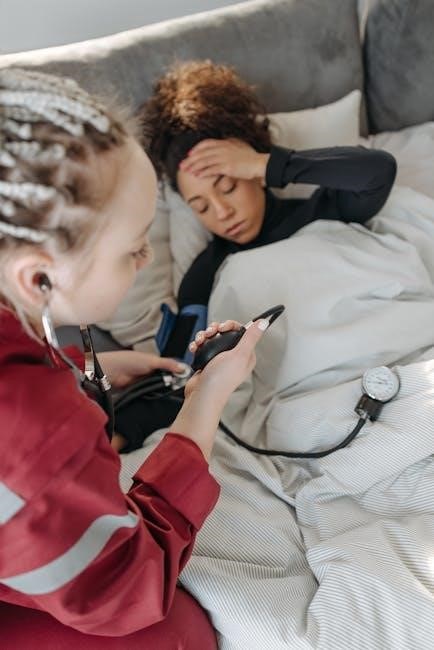
Your Life Source blood pressure monitor is equipped with a memory function designed to store multiple readings for convenient tracking. This feature eliminates the need to manually record each measurement‚ providing a historical record of your blood pressure over time. The capacity of the memory varies depending on the specific model‚ so consult your device’s manual for details regarding the number of readings it can store.
Stored data typically includes the systolic and diastolic blood pressure values‚ pulse rate‚ and the date and time of the measurement. This comprehensive record allows you to identify trends‚ share information with your healthcare provider‚ and assess the effectiveness of lifestyle changes or medications. Regularly reviewing and managing this stored data is key to proactive health management;
Accessing Stored Readings
To view your previously recorded blood pressure measurements‚ utilize the “Memory Recall” or similar button on your Life Source monitor. Repeatedly pressing this button will cycle through the stored readings‚ displaying each one on the screen. The display typically shows the date‚ time‚ systolic pressure‚ diastolic pressure‚ and pulse rate for each recorded measurement.
Some models may offer additional features‚ such as averaging functions to calculate the mean of several readings. Refer to your user manual for specific instructions on navigating the memory recall function and utilizing any advanced features. Understanding how to efficiently access your stored data empowers you to monitor your health trends effectively and share valuable information with your physician during appointments.
Clearing the Memory
Occasionally‚ you may need to clear the memory of your Life Source blood pressure monitor to start fresh or manage storage space. This process permanently deletes all previously stored readings‚ so proceed with caution. Typically‚ clearing the memory involves pressing and holding a specific combination of buttons – often the “Memory” and “Start/Stop” buttons – for several seconds.
Consult your user manual for the exact button combination and duration‚ as it varies between models. The monitor will usually display a confirmation message indicating that the memory has been successfully cleared. Remember that once cleared‚ the data is unrecoverable. Regularly reviewing and documenting your readings before clearing the memory is highly recommended for maintaining a comprehensive health record.
Downloading Data to a Computer (If Applicable)
Some Life Source blood pressure monitor models offer the capability to download stored readings to a computer for more detailed tracking and analysis. This typically requires a compatible USB cable‚ often sold separately‚ and specific software downloadable from the Life Source website. Connect the monitor to your computer using the USB cable‚ and follow the on-screen prompts to install and launch the software.
The software will guide you through the data transfer process‚ allowing you to view readings in a graphical format‚ generate reports‚ and potentially share the information with your healthcare provider. Ensure your computer meets the minimum system requirements specified by Life Source. Refer to your monitor’s manual for detailed instructions and troubleshooting tips regarding data download procedures.

Troubleshooting Common Issues
Encountering problems with your Life Source blood pressure monitor can be frustrating‚ but many issues have simple solutions. If the monitor displays an error code‚ consult the “Error Codes and Their Meanings” section of this guide for specific troubleshooting steps. For inaccurate readings‚ double-check cuff placement‚ ensure the correct cuff size is used‚ and avoid movement during measurement.
If the monitor fails to power on‚ verify battery installation and replace if necessary. A weak battery is a frequent cause. If data isn’t downloading to your computer‚ confirm the USB connection and software compatibility. Regularly reviewing the manual and Life Source’s support website can provide solutions to less common problems‚ ensuring reliable blood pressure monitoring.
Error Codes and Their Meanings
Your Life Source blood pressure monitor utilizes error codes to signal specific issues. An “Err 1” typically indicates a cuff connection problem – ensure the tubing is securely attached. “Err 2” often signifies excessive movement during measurement; remain still during readings. “Err 3” suggests the pressure sensor detected an anomaly‚ potentially requiring recalibration or service.
If you encounter “Err 4”‚ it may indicate the cuff was inflated for too long‚ possibly due to a blockage. Check the tubing for kinks. Other codes may relate to low battery power or internal system errors. Refer to the complete list in your monitor’s manual for a comprehensive explanation of each code and recommended corrective actions. Ignoring error codes can lead to inaccurate readings.

Monitor Not Turning On
If your Life Source blood pressure monitor fails to power on‚ begin with the simplest checks. First‚ verify the batteries are correctly installed‚ observing proper polarity (+ and -). Even “new” batteries can be defective‚ so testing with a fresh set is recommended. Inspect the battery compartment for any signs of corrosion‚ which can impede conductivity.

Next‚ ensure the power adapter (if applicable) is securely connected to both the monitor and a functioning power outlet. If using an adapter‚ confirm it’s the correct voltage for your device. If the monitor still doesn’t respond‚ a potential internal fault may exist‚ requiring professional repair or replacement. Do not attempt to disassemble the unit yourself.
Inaccurate Readings – Possible Causes
Several factors can contribute to inaccurate blood pressure readings with your Life Source monitor. Incorrect cuff size is a primary concern; a cuff that’s too small will yield falsely high readings‚ while one that’s too large can produce falsely low results. Ensure proper cuff placement‚ following the guidelines in the setup section.
Movement during measurement significantly impacts accuracy. Remain still and silent throughout the reading process. External vibrations or talking can distort results. Also‚ consider your positioning – sitting with your back supported and feet flat on the floor is crucial. If readings consistently seem off‚ compare with readings taken at a doctor’s office to validate the monitor’s performance.
Maintenance and Care
To ensure the longevity and accuracy of your Life Source blood pressure monitor‚ consistent maintenance is essential. Regularly clean both the monitor and the cuff with a slightly damp‚ soft cloth. Avoid using harsh chemicals or abrasive cleaners‚ as these can damage the components.
Proper storage is also vital. Keep the monitor in a cool‚ dry place‚ away from direct sunlight and extreme temperatures. Avoid storing it with heavy objects that could cause damage. When replacing batteries‚ always use the correct type and ensure proper polarity. Periodic checks of the cuff for cracks or wear are recommended; a damaged cuff can compromise reading accuracy. Following these simple steps will help maintain optimal performance.
Cleaning Your Monitor and Cuff
Maintaining cleanliness is crucial for accurate readings and extending the life of your Life Source monitor. To clean the monitor’s exterior‚ gently wipe it with a soft cloth lightly dampened with water or a mild detergent. Never immerse the monitor in water or use abrasive cleaners.

For the cuff‚ detach it from the monitor. Hand wash the cuff with cool water and a mild soap. Avoid bleach or strong detergents. Rinse thoroughly and air dry completely before reattaching. Do not machine wash or dry the cuff. Regularly inspect the cuff for any signs of damage‚ such as cracks or tears‚ which could affect its performance. A clean monitor and cuff contribute to reliable blood pressure measurements.
Storing Your Monitor Properly
Proper storage safeguards your Life Source blood pressure monitor‚ ensuring its longevity and continued accuracy. When not in use‚ store the monitor in a cool‚ dry place‚ away from direct sunlight and extreme temperatures. Avoid storing it in humid environments‚ as moisture can damage the internal components.
It’s best to keep the monitor in its original packaging or a protective case to prevent dust accumulation and physical damage. Detach the cuff and store it separately‚ ensuring it’s not bent or twisted. Avoid placing heavy objects on top of the monitor or cuff. Following these simple storage guidelines will help maintain the reliability of your blood pressure readings for years to come‚ contributing to consistent health monitoring.
Battery Replacement Guidelines
Maintaining consistent power is crucial for accurate readings with your Life Source blood pressure monitor. When the low battery indicator appears on the display‚ promptly replace the batteries. Use only new batteries of the specified type – typically AA or AAA‚ as indicated in the device’s documentation.
Always replace all batteries at the same time‚ even if only one appears depleted‚ to ensure consistent performance. Avoid mixing old and new batteries‚ or different types of batteries. Ensure correct polarity when inserting the batteries‚ matching the positive (+) and negative (-) terminals. Dispose of used batteries responsibly‚ following local regulations. Regular battery replacement guarantees reliable operation and accurate blood pressure measurements‚ supporting effective health management.