
International Existing Building Code 2018 PDF Free Download: A Comprehensive Plan
Navigating building regulations can be complex, and accessing the 2018 IEBC is crucial for professionals. Discussions online reveal user concerns about messaging apps,
but focusing on code access is paramount; Finding a reliable, free PDF download requires careful consideration, given potential risks and authenticity issues.
Recent online conversations, while centered on apps like WhatsApp and iMessage, highlight the need for secure digital resources. The IEBC 2018 provides essential guidelines for existing structures,
and obtaining a legitimate copy is vital for compliant and safe building practices. This plan outlines strategies for locating and verifying a free PDF version.
Understanding the IEBC 2018
The International Existing Building Code (IEBC) 2018 is a vital resource for architects, engineers, contractors, and code officials dealing with the alteration, repair, addition, or change of occupancy of existing buildings. Unlike codes governing new construction, the IEBC acknowledges the unique challenges presented by pre-existing structures. It doesn’t aim to retrofit older buildings to fully meet current new construction standards, but rather to provide reasonable provisions for improving safety and functionality.

Understanding its core principles is paramount. The IEBC focuses on practical, achievable upgrades, balancing safety concerns with economic feasibility and historical preservation. It addresses areas like means of egress, fire protection, accessibility, and structural integrity, offering flexible solutions tailored to the specific building and proposed changes.
Recent online discussions, though focused on digital communication, underscore the importance of readily available, reliable information. Accessing the IEBC 2018, ideally through a verified PDF, is the first step towards ensuring projects comply with established safety standards and legal requirements.
What is the International Existing Building Code?
The International Existing Building Code (IEBC) is a model code developed by the International Code Council (ICC), providing comprehensive regulations for the renovation, alteration, and repair of existing buildings. It differs significantly from the International Building Code (IBC), which governs new construction. The IEBC recognizes that applying new construction standards to existing structures is often impractical and economically prohibitive.
Instead, it establishes a tiered approach to upgrades, focusing on life safety, accessibility, and reasonable improvements. This code addresses issues like fire protection, means of egress, structural stability, and energy efficiency in existing buildings. It allows for flexibility in achieving compliance, acknowledging the unique characteristics of older structures.
Considering current online conversations about data security and access, obtaining a legitimate IEBC resource, like a verified PDF, is crucial. The IEBC ensures projects meet minimum safety standards while respecting the historical and architectural integrity of existing buildings.
Scope and Applicability of the 2018 IEBC
The 2018 IEBC’s scope encompasses the alteration, repair, renovation, addition, and change of occupancy of existing buildings and structures. It applies when work significantly impacts building systems, requiring permits and code compliance. This includes projects affecting structural components, fire protection, means of egress, and accessibility. It doesn’t generally cover routine maintenance or repairs that don’t alter the building’s character or occupancy.
Applicability varies by jurisdiction, as states and local municipalities adopt and amend the IEBC to suit their specific needs. Therefore, verifying local adoption is essential before commencing any project. Like discussions online regarding app functionality, understanding specific requirements is key.
The code’s applicability is triggered by the extent of the work; minor repairs fall outside its purview, while substantial renovations necessitate adherence to its provisions. Obtaining a reliable 2018 IEBC PDF is vital for navigating these complexities.
Key Changes from Previous Editions (2015 IEBC)
The 2018 IEBC introduced several key revisions compared to the 2015 edition, focusing on clarity and enhanced safety standards. Updates to accessibility requirements, aligning more closely with ICC A117.1, are prominent. Revisions also address fire-resistance ratings for certain construction types and clarify provisions for existing fire sprinkler systems.
Significant changes involve scoping requirements for alterations and additions, providing more precise guidance on when code compliance is triggered. The 2018 edition also refined provisions related to means of egress, particularly concerning travel distances and exit signage. Like online discussions about app updates, these changes aim for improved functionality.
These updates necessitate accessing the latest 2018 IEBC PDF to ensure projects adhere to current regulations. Understanding these modifications is crucial for architects, contractors, and building officials alike, promoting safer and more compliant building practices.
Finding a Free PDF Download
Locating a free PDF of the 2018 IEBC requires diligent searching, but caution is paramount. While numerous websites claim to offer free downloads, many are unreliable or host outdated/incomplete versions. Initial searches often lead to file-sharing sites, which pose significant security risks, similar to concerns raised in online forums about app vulnerabilities.
A strategic approach involves starting with official sources, even if a direct free download isn’t immediately available. Checking the ICC’s website for sample chapters or promotional offers is a good first step. Utilizing search engines with specific keywords – “IEBC 2018 PDF free” – can yield results, but always verify the source’s legitimacy.
Remember, a truly free, complete, and legally obtained PDF is rare. Be prepared to potentially explore alternative options like library access or purchasing a digital copy if a reliable free source proves elusive.
Legitimate Sources for IEBC 2018 PDFs
Identifying trustworthy sources for the 2018 IEBC PDF is crucial to avoid legal issues and ensure accuracy. The International Code Council (ICC) website ([https://www.iccsafe.org/](https://www.iccsafe.org/)) is the primary and most reliable source, though a free full PDF is unlikely. They offer options to purchase digital copies or access through their subscription services.
State and local government websites may provide access to adopted codes, including the IEBC 2018. Check your jurisdiction’s building code authority for potential downloads or links to approved vendors. University and public libraries often subscribe to digital code collections, offering access to students and the public.
Reputable online bookstores specializing in construction and engineering resources are also legitimate options. While not free, they guarantee authentic and up-to-date versions of the code, avoiding the risks associated with unofficial downloads.
Risks of Downloading from Unofficial Sources
Downloading the IEBC 2018 PDF from unofficial websites carries significant risks, potentially compromising your projects and legal standing. These sources often host outdated, incomplete, or even deliberately altered versions of the code, leading to non-compliance and safety hazards.
Malware and viruses are prevalent on untrusted websites, posing a threat to your computer and sensitive data. Downloading from such sources can expose you to phishing scams and identity theft. Furthermore, using an unauthorized copy may violate copyright laws, resulting in legal penalties.
Reliance on inaccurate information can lead to costly errors, project delays, and potential liability. Always prioritize legitimate sources to ensure you are working with the correct and current version of the International Existing Building Code. Protect your professional reputation and project integrity by avoiding unofficial downloads.
Verification of Downloaded PDF Authenticity
After obtaining an IEBC 2018 PDF, verifying its authenticity is paramount to ensure compliance and avoid legal issues. Begin by checking the document’s source; legitimate PDFs will clearly indicate the International Code Council (ICC) as the publisher.
Examine the document number and publication date, confirming they match the official 2018 edition. Cross-reference the PDF’s content with known chapter outlines and key provisions of the IEBC 2018. Look for the ICC logo and copyright information on each page.
If possible, compare the downloaded PDF with a known authentic copy from the ICC website. Be wary of PDFs with missing pages, altered formatting, or suspicious links; Prioritize digital signatures or watermarks as indicators of authenticity, safeguarding your projects.
Core Chapters and Content
The IEBC 2018 is structured to address various aspects of existing building safety and accessibility. Chapter 1, ‘Scope and Administration,’ defines the code’s applicability and outlines administrative procedures. Chapter 2 focuses on ‘Means of Egress,’ detailing requirements for safe evacuation routes.
Fire protection is comprehensively covered in Chapter 3, addressing systems and materials to minimize fire hazards. Chapter 4, ‘Light, Ventilation, and Heating,’ establishes standards for indoor environmental quality. These core chapters form the foundation for ensuring building safety.
Beyond these, the IEBC 2018 delves into specific occupancy classifications, offering tailored regulations. Understanding the content within these chapters is crucial for professionals working with existing structures, ensuring compliance and occupant well-being.
Chapter 1: Scope and Administration
Chapter 1 of the IEBC 2018 establishes the fundamental parameters for applying the code to existing buildings. It clearly defines which structures and alterations fall under its jurisdiction, differentiating between repairs, alterations, additions, and changes of occupancy.
This chapter outlines the administrative processes involved in code enforcement, including permitting, inspections, and appeals. It specifies the roles and responsibilities of building officials and owners, ensuring a clear understanding of compliance requirements.
Crucially, Chapter 1 addresses the relationship between the IEBC 2018 and other applicable codes and standards. It clarifies how the IEBC interacts with accessibility guidelines and fire codes, providing a comprehensive framework for building regulation.
Chapter 2: Means of Egress
Chapter 2 of the IEBC 2018 focuses on ensuring safe and efficient evacuation routes within existing buildings. It addresses the critical aspects of egress width, travel distance, and the proper arrangement of exit pathways, adapting these requirements to the unique challenges presented by older structures.
This chapter details the requirements for exit signs, emergency lighting, and other life safety features essential for guiding occupants during emergencies. It acknowledges that existing buildings may not fully meet current standards, offering alternative compliance paths where strict adherence is impractical.
Specific attention is given to the accessibility of means of egress for individuals with disabilities, ensuring that evacuation routes are usable by all occupants. The chapter provides guidance on modifying existing egress components to meet accessibility standards, promoting inclusivity and safety.
Chapter 3: Fire Protection Systems
Chapter 3 of the IEBC 2018 comprehensively addresses fire safety within existing buildings, recognizing the complexities of retrofitting older structures. It outlines requirements for fire-resistance ratings of building elements, aiming to contain fires and provide occupants with sufficient time to evacuate safely.
This section details the provisions for fire suppression systems, including sprinklers, standpipes, and fire alarms. It acknowledges that complete system upgrades may not always be feasible, offering performance-based alternatives and phased implementation strategies.
The chapter also covers fire barriers, fire partitions, and smoke barriers, crucial for compartmentalizing buildings and preventing fire spread. It provides guidance on evaluating existing fire protection features and implementing necessary improvements to enhance overall fire safety.

Chapter 4: Light, Ventilation, and Heating
Chapter 4 of the IEBC 2018 focuses on maintaining acceptable indoor environmental quality in existing buildings through appropriate lighting, ventilation, and heating systems. It recognizes that older buildings often present unique challenges in meeting modern standards for occupant comfort and energy efficiency.
The code outlines minimum illumination levels for various spaces, considering the intended use and occupancy type. It also addresses natural and artificial lighting strategies, promoting energy conservation while ensuring adequate visibility.
Ventilation requirements are detailed, emphasizing the importance of providing fresh air to dilute indoor pollutants and maintain acceptable air quality. The chapter covers both natural and mechanical ventilation systems, offering guidance on system design and maintenance. Heating system regulations aim to ensure adequate warmth during colder months, while promoting energy-efficient operation.
Specific Building Occupancy Classifications
The IEBC 2018 recognizes that different building occupancy types present unique safety challenges and require tailored code provisions. These classifications, ranging from assembly to residential, dictate specific requirements for fire protection, means of egress, and accessibility.
Understanding these classifications is crucial for applying the code correctly to existing buildings undergoing renovation or change of use. The code addresses how modifications impact life safety systems and ensures continued compliance with applicable standards.
Each occupancy chapter details specific requirements based on the potential hazards and occupant characteristics. For example, assembly occupancies, with large numbers of people, demand stricter egress provisions than business occupancies. Careful consideration of the building’s intended use is paramount for safe and compliant renovations.
Assembly Occupancies (IEBC Chapter 5)
IEBC Chapter 5 focuses on buildings used for gathering groups, like theaters, stadiums, and places of worship. These spaces necessitate stringent safety measures due to high occupant loads and potential for rapid egress demands. The code addresses existing conditions, not new construction, focusing on modifications and alterations.

Key considerations include maintaining clear paths of egress, ensuring adequate fire protection systems, and addressing occupant load calculations. Existing assembly occupancies undergoing renovations must comply with updated requirements for these elements. The chapter details specific rules for stages, platforms, and other unique features common in these buildings.
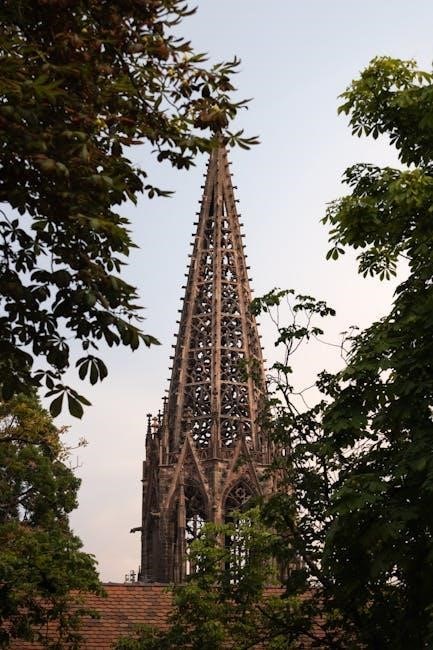
Compliance often involves upgrading fire alarm systems, improving exit signage, and ensuring accessible routes for all occupants. Careful evaluation of existing conditions is vital to determine the scope of necessary upgrades and ensure life safety during events.

Business Occupancies (IEBC Chapter 6)
IEBC Chapter 6 addresses the unique challenges presented by business occupancies – spaces primarily used for transactions, offices, and professional services. These buildings often house a diverse range of activities, requiring flexible yet robust safety standards. The focus is on maintaining life safety during regular operations and potential emergencies.
Key areas covered include means of egress, fire protection, and interior finish requirements. Existing business occupancies undergoing changes in use or undergoing substantial renovations must adhere to the code’s provisions. Particular attention is given to areas with high concentrations of flammable materials or hazardous processes.
Compliance often involves upgrading fire suppression systems, improving exit access travel distances, and ensuring adequate ventilation. The chapter also addresses specific requirements for storage areas and the display of merchandise, ensuring a safe environment for both employees and customers.
Educational Occupancies (IEBC Chapter 7)
IEBC Chapter 7 focuses on the stringent safety requirements for educational occupancies, encompassing schools, universities, and training facilities. These buildings present unique challenges due to the presence of a largely transient population with varying levels of self-preservation skills. The primary goal is to ensure rapid and safe evacuation in emergency situations.
Key provisions address means of egress, fire protection systems, and the separation of hazardous areas like laboratories and workshops. Existing educational facilities undergoing alterations or expansions must comply with the updated code requirements, often necessitating upgrades to fire alarm systems and exit signage.
Special attention is given to assembly areas within educational buildings, such as auditoriums and gymnasiums. The chapter also outlines specific requirements for early childhood occupancy areas, recognizing the increased vulnerability of young children. Maintaining a safe learning environment is paramount, driving the detailed regulations within this chapter.

Accessibility Requirements in the IEBC 2018
The IEBC 2018 places significant emphasis on accessibility for individuals with disabilities within existing buildings. While not mandating full compliance with new construction standards, it requires reasonable accommodations during alterations or renovations to enhance usability for all. This commitment aligns with broader societal goals of inclusivity and equal access.
The code references ICC A117.1, the accessibility standard, providing specific guidelines for ramps, doorways, restrooms, and other building features. Existing conditions often present challenges, necessitating creative solutions to overcome barriers without incurring excessive costs. The focus is on practical improvements that maximize accessibility.
Common accessibility issues addressed include inadequate maneuvering space, inaccessible restrooms, and lack of accessible routes. The IEBC encourages a phased approach to accessibility upgrades, prioritizing areas with the greatest impact on usability. Careful planning and adherence to A117.1 are crucial for successful implementation.
Compliance with ICC A117.1
The International Existing Building Code (IEBC) 2018 doesn’t fully adopt ICC A117.1 for existing structures, but heavily references it for accessibility improvements. When alterations are made to existing buildings, the IEBC mandates that those alterations comply with A117.1 to the greatest extent feasible. This ensures progressive accessibility upgrades without requiring complete overhauls.
A117.1 provides detailed technical specifications for accessible elements like ramps, doorways, signage, and restrooms. The IEBC uses these standards as a benchmark for evaluating the accessibility of altered spaces. However, the code acknowledges that existing building constraints may necessitate variances from strict A117.1 compliance.
Understanding the interplay between the IEBC and A117.1 is crucial for architects and building owners. Documentation of any deviations from A117.1 is essential, demonstrating a good-faith effort to maximize accessibility within the limitations of the existing structure. Careful consideration of user needs is paramount.
Accessibility for Existing Buildings
The IEBC 2018 addresses accessibility in existing buildings primarily when alterations or additions are undertaken. It doesn’t mandate a complete retrofit of all existing features to current accessibility standards, recognizing the economic hardship this would impose. Instead, the focus is on making buildings more accessible as opportunities arise through renovation projects.
The code outlines specific requirements for accessible routes, restrooms, and other key elements when spaces are altered. These requirements are often tied to the scope of the work; larger alterations trigger more extensive accessibility upgrades. The goal is to remove barriers and improve usability for people with disabilities.
Practical considerations are central to the IEBC’s approach to accessibility in existing buildings. The code allows for flexibility in applying accessibility standards, acknowledging the unique challenges posed by older structures. Careful planning and documentation are vital for demonstrating compliance.
Common Accessibility Issues and Solutions
Frequently encountered accessibility challenges in existing buildings include narrow doorways, inadequate restroom facilities, and a lack of accessible routes. Steep ramps or stairs without proper handrails also present significant barriers. Addressing these issues often requires creative solutions tailored to the building’s specific constraints.

Solutions range from widening doorways and installing grab bars in restrooms to adding ramps or platform lifts. Utilizing vertical platform lifts can overcome significant elevation changes where ramps are impractical. Careful consideration must be given to maneuvering clearances and proper signage.

The IEBC 2018 encourages a phased approach to accessibility improvements, prioritizing the most impactful changes. Thorough assessments and consultations with accessibility experts are crucial for identifying and resolving common issues effectively. Prioritizing user needs and adhering to code requirements are paramount.
Resources and Further Information
For comprehensive information regarding the IEBC 2018, the International Code Council (ICC) website is the primary resource. It offers detailed code information, training materials, and updates on code adoption schedules. State and local building departments also provide valuable resources specific to your jurisdiction.
Numerous professional organizations, such as the American Institute of Architects (AIA) and the National Association of State Contractors Licensing Agencies (NASCLA), offer continuing education and training programs. These programs can help professionals stay current with the latest code requirements and best practices.
Online forums and communities dedicated to building codes can provide a platform for discussion and knowledge sharing. However, always verify information obtained from unofficial sources with the ICC or a qualified building code expert. Reliable information is crucial for compliant projects.
ICC Website and Resources
The International Code Council (ICC) website (iccsafe.org) serves as the central hub for all things related to the IEBC 2018. Here, you’ll find official code documents, including options for purchase, and detailed information about the code’s development and updates. Access to the full code typically requires a paid subscription or individual document purchase.

ICC Safe offers a wealth of supplementary resources, such as code interpretations, frequently asked questions, and online training courses. These resources are invaluable for understanding the nuances of the IEBC and ensuring proper application. They also provide access to webinars and on-demand learning modules.
The ICC also maintains a database of code adoption statuses by state and local jurisdictions. This allows users to determine which version of the IEBC is currently enforced in their area, crucial for project compliance. Regularly checking the ICC website is vital for staying informed.
State and Local Building Code Adoption
Understanding that the IEBC 2018 isn’t universally adopted is critical. States and local municipalities often amend or adopt different versions of the International Codes, including the IEBC. Therefore, a “free download” is only useful if it aligns with the legally enforced code in your specific location.
The ICC website provides a directory detailing code adoption by state, but this information can change frequently. It’s essential to verify with your local building department to confirm the currently enforced code version. Ignoring local amendments can lead to project delays and costly corrections.
Many jurisdictions publish their adopted codes online, sometimes offering free access to the specific version they utilize. Checking your state or city’s official website is a valuable step. Remember, even if a free PDF is available locally, it might differ from the standard IEBC 2018.
Professional Organizations and Training
While a free IEBC 2018 PDF is a starting point, comprehensive understanding requires professional development. Organizations like the International Code Council (ICC) offer extensive training courses, certifications, and resources related to the IEBC and other building codes.
These courses go beyond simply reading the code; they provide practical application, interpretation, and insights into common challenges. Investing in training ensures you’re not just compliant, but also proficient in applying the code to real-world scenarios. Local chapters of professional organizations often host workshops and seminars.
Furthermore, continuing education credits are often required for maintaining professional licenses. Utilizing ICC or approved training programs fulfills these requirements while deepening your knowledge of the IEBC. Don’t rely solely on a downloaded PDF; prioritize professional learning.